Loading...
Serving Lompoc, CA and surrounding areas. (805) 944-3088
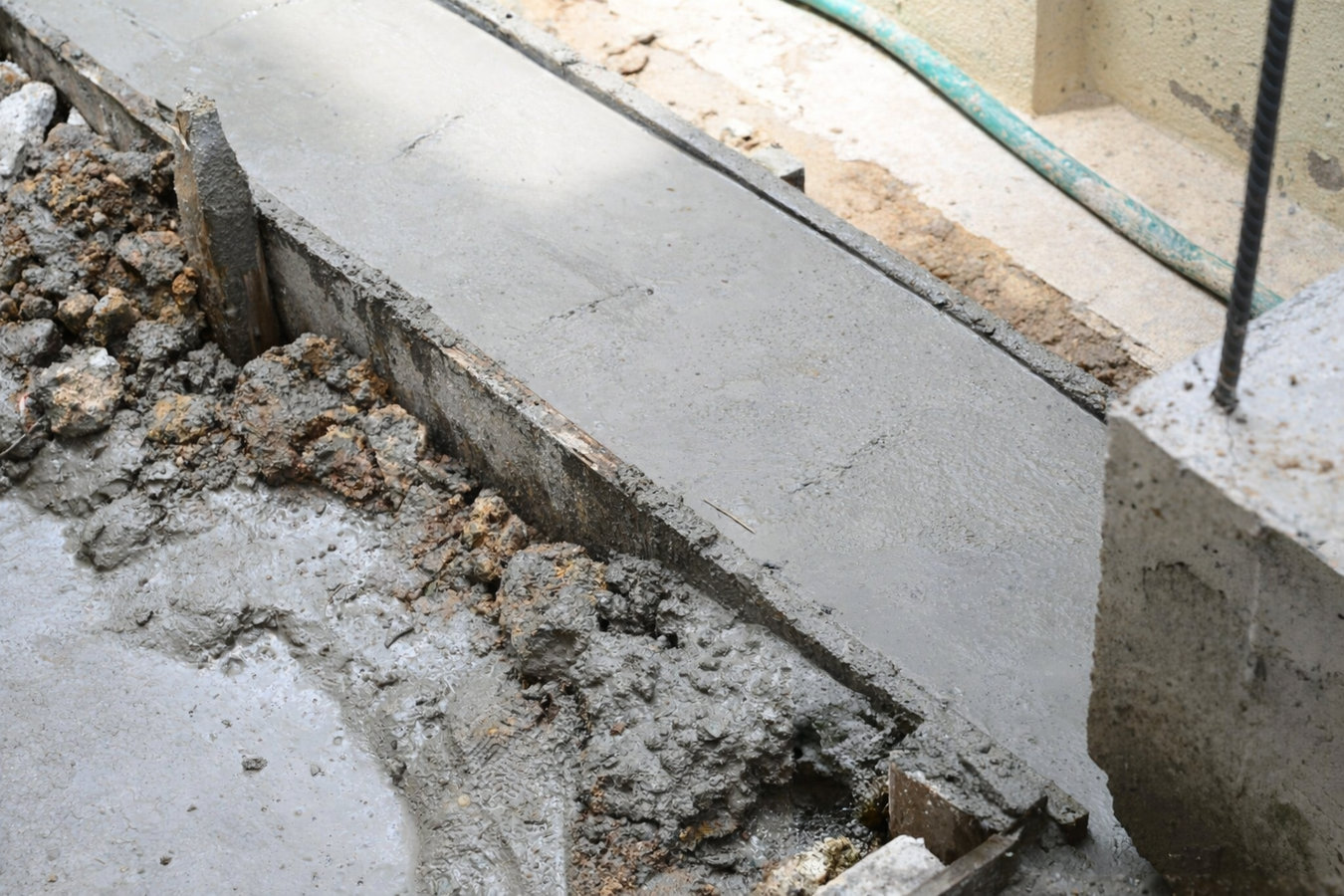
Sunken slabs in Lompoc move because of clay soil that swells and shrinks every season. We lift them back to level, address the cause, and get your home stable again.
Foundation raising in Lompoc lifts sunken or uneven concrete slabs back to their original height by pumping material beneath the slab through small drilled holes, most residential jobs take two to six hours and you can walk on the surface the same day.
If you have noticed a door sticking, a floor that feels like it tilts, or a crack growing along a wall, the soil beneath your slab has likely shifted. In Lompoc, the clay-heavy soil in the Santa Ynez Valley swells during wet winters and contracts through dry summers - that annual cycle gradually undermines foundations, especially on homes built during the 1950s and 1960s when soil preparation standards were less rigorous. Foundation raising is usually far less expensive than full replacement, and when the root cause is addressed at the same time, the results hold up for years. If you also have surface damage, our concrete cutting work can remove deteriorated sections cleanly before any lifting begins.
If a door that used to swing freely now drags or a window feels stiff, the frame around it may have shifted because the foundation beneath it dropped. In Lompoc, this often becomes noticeable in late spring after the soil dries out following the rainy season. Catching it early keeps the repair smaller.
Small hairline cracks in drywall are normal, but diagonal cracks running from the corners of windows or doors - or cracks that keep growing - signal that part of your foundation has settled. These are the house telling you two sections are no longer at the same level. If new cracks appear after a dry summer, that pattern is worth investigating.
Walk through your home in socks. If a section of floor feels like it tilts, or a marble rolls consistently in one direction, the slab beneath may have settled. This is especially common in older Lompoc homes built on fill soil in the 1950s and 1960s, where the ground was not always properly prepared before construction.
If water sits against the base of your home after rain instead of draining away, that moisture soaks into the soil under your slab. In Lompoc, where winter rains can be heavy and clay soil drains slowly, this pooling accelerates the settling process. Addressing drainage alongside the lift gives far better long-term results.
We offer both foam injection and mudjacking - the two main methods for lifting settled residential slabs. Foam injection uses a lightweight expanding material pumped through small holes; it sets quickly, adds little weight, and is well-suited to areas with ongoing soil movement. Mudjacking uses a heavier cement-soil slurry and is often a cost-effective choice for larger areas. Both methods are available for driveways, patios, garage floors, and foundation perimeter slabs throughout Lompoc. Where the slab is damaged beyond lifting, we coordinate with our slab foundation building work to replace the affected section before restoring the surrounding area.
Every project starts with a thorough on-site assessment. We look at soil conditions, drainage patterns, and the visible signs of settling - not just the symptom, but the cause. We handle permits through the City of Lompoc Building Division when the scope of work requires them, so you are not left managing paperwork on your own. The goal is a stable, level result that holds up through Lompoc's wet-dry seasons, not just looks right on the day we finish.
Best for areas with active soil movement where lightweight material and fast cure time matter most.
A cost-effective option for larger settled areas where slab weight is not a concern.
For sunken driveway sections that have dropped due to seasonal soil shrinkage.
Restores uneven outdoor concrete around your home to a safe, level surface.
Addresses settled areas along the edges of slab foundations on older Lompoc homes.
Identifies and corrects water pooling issues that contribute to ongoing foundation movement.
Lompoc sits in the Santa Ynez Valley on clay-heavy soils that are almost always in motion. The city gets most of its rain between November and March, then goes largely dry for six or more months. That wet-dry cycle causes the clay under your home to swell and shrink repeatedly every year. Over time, even a well-built foundation loses ground - especially on homes constructed during the postwar decades when fill soil and less rigorous compaction were common. Foundation settling is not a sign that a home was poorly built; it is simply what happens when older construction meets decades of soil movement.
The neighborhoods closest to downtown and those near Vandenberg Village see settling problems most often, largely because of the age of the housing stock and the underlying soil conditions in those areas. Homeowners in Santa Maria also deal with similar clay-soil conditions, and we handle foundation raising work across the wider region. In Lompoc specifically, proximity to irrigated farmland and the city's lower-lying sections can mean a relatively high water table, which adds to the moisture exposure that accelerates settling. We factor all of this into every assessment.
When you reach out, we will ask where the problem is, what you have noticed, and how long it has been going on. We reply within one business day and can typically schedule an on-site visit within a few days.
We walk the affected area, check drainage patterns and soil conditions, and look for the cause of the settling - not just the visible cracks and gaps. A thorough assessment takes 30 to 60 minutes, and we explain what we find in plain language before recommending anything.
You receive a written estimate covering scope, method, and total cost. If the job requires a permit through the City of Lompoc Building Division, we handle that paperwork. We tell you upfront whether a permit is needed and how it affects the timeline.
We drill small holes through the slab, pump material underneath to fill the void and lift the concrete, then patch the holes. You can walk on the surface the same day. Patched areas are ready for vehicle traffic in 24 to 48 hours.
Free estimate, no pressure. We reply within one business day.
(805) 944-3088Lifting a slab without understanding why it dropped is a temporary fix. We assess soil conditions, drainage, and underlying causes before recommending any method. That approach is what separates a repair that holds from one that needs to be redone in a year.
The Santa Ynez Valley's expansive clay soils behave differently from the sandy soils in other parts of California. We have worked on homes throughout Lompoc's older neighborhoods and understand how these soils move through the seasons. That local knowledge shapes how we approach every assessment and repair.
Unpermitted structural work can create serious problems when you sell your home - buyers' inspectors find it, lenders flag it, and deals fall apart. We handle the permit process with the City of Lompoc Building Division so your repair is on record and your home's value is protected. You can verify active California contractor licenses at the California Contractors State License Board.
We give you a clear picture of what we found and what actually needs to be done now versus what can be monitored over time. You get a written estimate before any work begins. No pressure, no inflated scope.
Every one of these points matters more in Lompoc than in a city with stable sandy soils. When the ground under your home is always in motion, you need a contractor who builds that into the plan - not one who treats every job the same regardless of where it is.
Precise, clean concrete cuts for removals, relief joints, and utility openings.
Learn MoreNew slab construction on properly prepared, compacted ground for lasting results.
Learn MoreCall today or submit a request online - we reply within one business day and offer free, no-pressure estimates.